


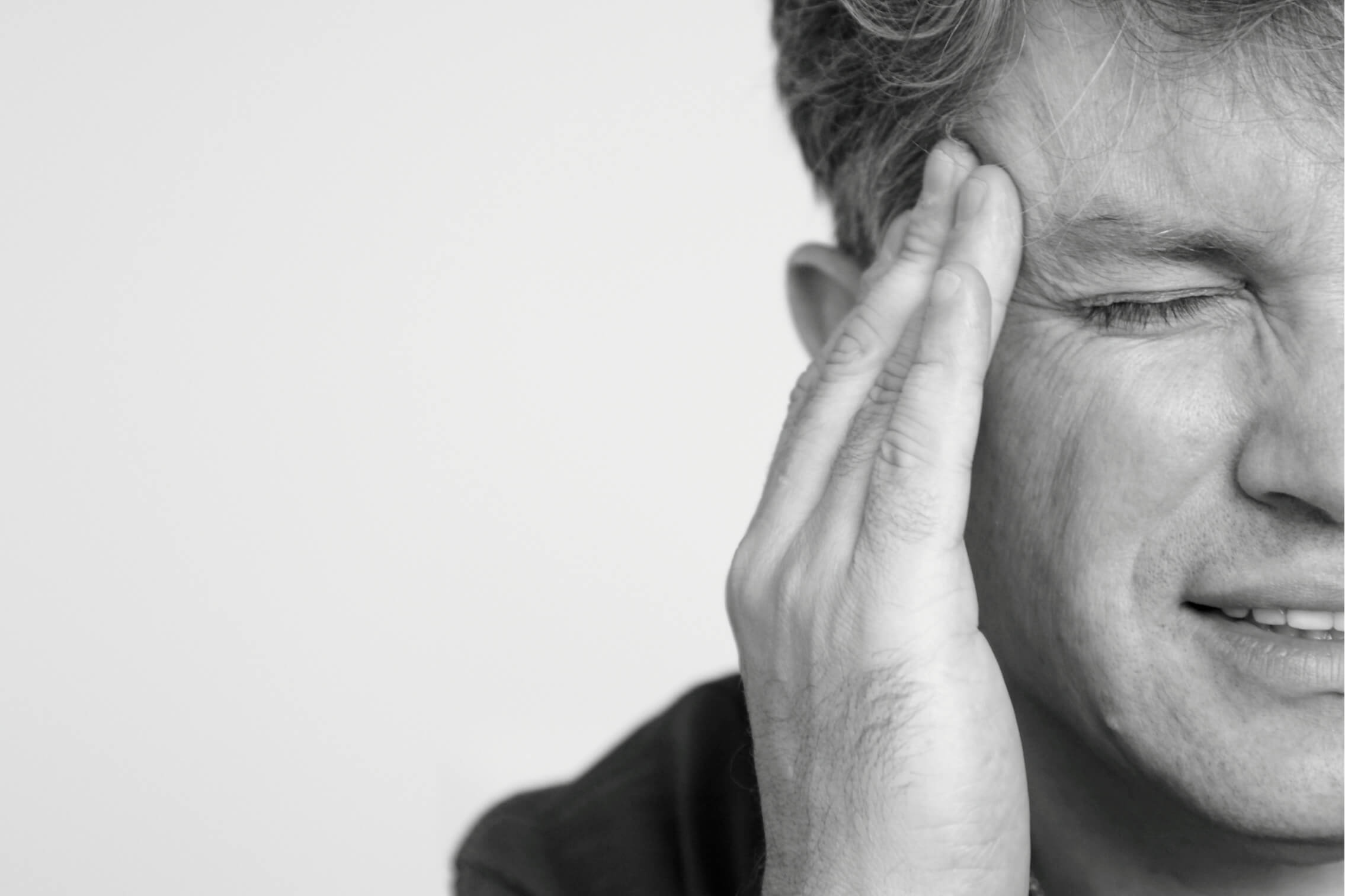
Understanding the Difference
Living with recurring headaches can be frustrating, especially when you’re unsure whether you’re experiencing a migraine or something more unusual like a cluster headache. While these two conditions are sometimes confused, they are in fact two distinct primary headaches, each with its own symptoms, triggers, and treatment considerations.
In this article, we’ll explore the differences between cluster headaches and migraines, explain why they’re often misdiagnosed, and share how Sydney Headache & Migraine Clinic™ helps patients find lasting relief.
Migraine Symptoms and Features
A migraine headache is often described as a throbbing or pulsating pain that usually affects one side of the head, though it can spread to both. Symptoms may include:
- Nausea and vomiting
- Sensitivity to light, sound, and smell
- Visual disturbances such as flickering lights, blind spots, or zigzag lines (known as migraine aura)
- Fatigue, difficulty concentrating, or mood changes
Migraine attacks can last anywhere from several hours to a few days, leaving sufferers drained and unable to carry out daily tasks. Some migraine patients report prodromal symptoms such as cravings, neck pain, or irritability before an attack begins.
Migraines can present in several forms:
- Episodic migraine – attacks occur fewer than 15 days per month.
- Chronic migraine – headaches occur on 15 or more days per month for at least three months.
The severity of migraine pain and its unpredictable nature make it one of the most disabling neurological disorders worldwide.
Learn More About Migraine Headache Treatments
Cluster Headache Symptoms and Features
Unlike migraines, cluster headaches are short in duration but excruciating in intensity. Attacks typically last 15 minutes to three hours but can happen multiple times a day, often at the same time each day or night. Sufferers of episodic cluster headaches will have a pain-free period of up to three months or longer before the next cluster headache attacks occur.
Cluster headache symptoms often include:
- Severe pain around or behind one eye, often described as burning, stabbing, or piercing
- Red, watery eyes
- Nasal congestion or runny nose
- Facial sweating or flushing
- A drooping eyelid or swollen face on the affected side
- Restlessness or pacing during an attack
These attacks usually occur in cluster periods that last weeks to months, followed by remission phases that can last months or even years. If attacks continue for over a year without remission, the condition is classified as chronic cluster headache.
More Information On Cluster Headache Treatments
The Difference Between Migraines and Cluster Headaches
Both migraines and cluster headaches fall under the umbrella of primary headache disorders recognised by the International Headache Society. Migraines are relatively common, affecting up to 18% of women and 6% of men worldwide. Cluster headaches, on the other hand, are rare (impacting just 0.1% of the population) but are often regarded as the most painful type of headache.
The key distinction lies in how these conditions present: migraines typically involve long-lasting migraine attacks, while cluster headache attacks are shorter, more frequent, and involve stabbing, intense pain.
Migraine vs Cluster Headache – Key Differences
- Attack duration: Migraines last hours to days; cluster headaches are shorter but can recur multiple times daily.
- Pain type: Migraine pain is throbbing and pulsating; cluster headache pain is sharp, burning, and localised around one eye.
- Associated symptoms: Migraines often bring aura, nausea, and vomiting; cluster headaches present with cranial autonomic symptoms like a runny nose, facial sweating, or drooping eyelids.
- Demographics: Migraines affect more women; cluster headaches occur more frequently in men.
- Pattern: Migraines can be unpredictable; cluster headaches frequently occur in cycles, often waking sufferers from sleep.
These distinct headache disorders require accurate diagnosis, as treatment options differ considerably.
Why Are They Often Confused?
Despite their differences, migraines and cluster headaches share enough overlapping features to cause diagnostic challenges. Both can cause severe headaches and impact quality of life.
Some migraine patients experience neck pain, nasal congestion, or tearing during attacks, symptoms that resemble cluster headache attacks. Likewise, both conditions may be influenced by neurological dysfunction in the brainstem, highlighting the importance of a comprehensive clinical assessment.
Traditional Treatment Options
For migraines, common treatment options include:
- Nonsteroidal anti-inflammatory drugs (NSAIDs)
- Triptans to stop or reduce migraine pain
- Preventive medications such as beta blockers or CGRP inhibitors
For cluster headaches, acute therapy may involve:
- High-flow oxygen inhalation for rapid pain relief
- Triptan injections or nasal sprays
- Preventive treatments such as verapamil or corticosteroids
WARNING: While these approaches can provide temporary relief, many focus on pain relief rather than addressing the underlying neurological dysfunction.
Our Approach at Sydney Headache & Migraine Clinic™
At Sydney Headache & Migraine Clinic™, we believe in addressing the root cause of headache disorders rather than masking symptoms. Research shows that both migraines and cluster headaches may be linked to dysfunction in the upper cervical spine and a sensitised brainstem, which can amplify pain signals.
Our treatment approach is:
- Non-invasive and medication-free
- Focused on restoring function in the cervical spine and calming brainstem sensitivity
- Backed by strong outcomes, with significant improvement observed in 80–90% of suitable candidates within their first five to six treatment sessions
By targeting the underlying mechanisms that underlie migraine and cluster headache pain, we aim to break the cycle of frequent attacks and help patients reclaim their quality of life.
When to Seek Help
If you experience:
- Head pain that is frequent, severe, or disabling
- Multiple attacks that disrupt sleep or daily activities
- Symptoms that don’t respond to standard treatments
…it may be time to seek a more precise diagnosis. Understanding whether you suffer from the pulsating or throbbing pain of migraine or the stabbing pain of cluster headaches can be the first step toward effective treatment.
Book Your Appointment Today
Do these symptoms sound all too familiar? At Sydney Headache & Migraine Clinic™, we provide comprehensive assessments and tailored treatment for both migraines and cluster headaches. Our evidence-based approach is safe, drug-free, and designed to deliver long-term relief.
Book your initial consultation today and take the first step toward freedom from headaches.
Cluster Headache vs Migraine – FAQs
Are cluster headaches and migraine distinct headache disorders?
Yes. Both are recognised as primary headaches with different symptom patterns, durations and treatment considerations.
How do you treat cluster headaches during an attack?
Conventional ways to treat cluster headaches include high-flow oxygen and triptan medication for short-term relief. This does not address the root cause of these painful symptoms.
Our clinicians assess the upper cervical spine and brainstem to identify the root cause, then apply safe, hands-on treatment to reduce sensitivity and cut down attack frequency. This approach is non-invasive, medication-free, and focused on long-term results.
What symptoms can precede a migraine headache?
A period of early signs and symptoms (a prodrome) can precede migraine headaches by hours. Common early signs include fatigue, neck discomfort, food cravings, irritability and concentration changes, sometimes followed by visual aura.
What triggers can induce migraine attacks?
Individual triggers vary, but stress, disrupted sleep, missed meals, dehydration, bright or flickering lights and hormonal shifts can initiate migraine attack symptoms. Tracking patterns in a diary helps you modify routines and reduce exposure.
Does cluster headache run in families?
Yes, familial cluster headache is reported, with some patients noting first-degree relatives affected. A family history raises suspicion and supports an earlier diagnosis.
Written by:

Disclaimer: This blog is for informational purposes only and is not a substitute for professional medical advice, diagnosis, or treatment. Always seek the advice of your healthcare provider with any questions you may have regarding a medical condition or treatment. Never disregard professional advice or delay seeking it based on information you have read here.
References
International Headache Society. The International Classification of Headache Disorders, 3rd edition (ICHD-3). Cephalalgia. 2018;38(1):1-211.
May A, Schwedt TJ, Magis D, Pozo-Rosich P, Evers S, Wang SJ. Cluster headache. Nature Reviews Disease Primers. 2018;4:18006.
Goadsby PJ, Holland PR, Martins-Oliveira M, Hoffmann J, Schankin C, Akerman S. Pathophysiology of migraine: a disorder of sensory processing. Physiological Reviews. 2017;97(2):553-622.
Robbins MS, Starling AJ, Pringsheim TM, Becker WJ, Schwedt TJ. Treatment of cluster headache: The American Headache Society evidence-based guidelines. Headache: The Journal of Head and Face Pain. 2016;56(7):1093-1106.
Dodick DW. Migraine. The Lancet. 2018;391(10127):1315-1330.
May A, Burstein R. Hypothalamic regulation of headache and migraine. Cephalalgia. 2019;39(13):1710-1719.
Evers S, May A. Treatment of cluster headache: current status and future strategies. The Lancet Neurology. 2022;21(2):142-152.
Charles A. The migraine aura. Continuum (Minneap Minn). 2018;24(4, Headache):1009-1022.
Ashina M. Migraine. The New England Journal of Medicine. 2020;383(19):1866-1876.