

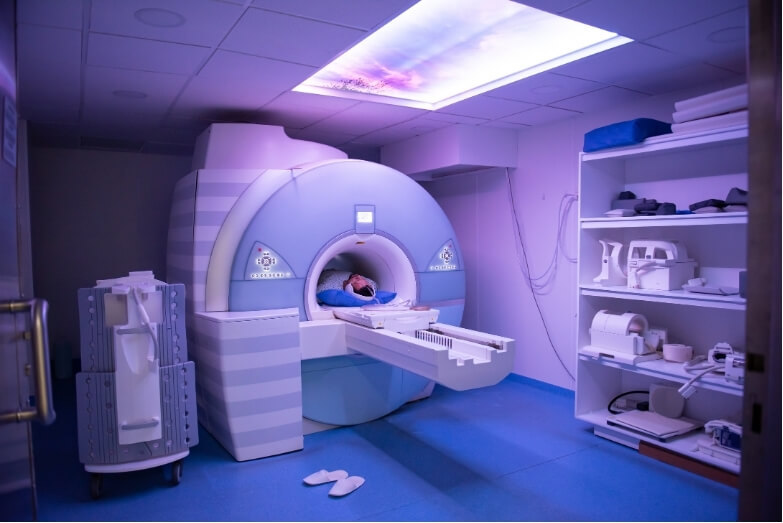
Being told you have a normal scan like on MRI or CT scan should be reassuring — yet for many people with ongoing headaches, it’s also deeply frustrating.
If nothing is “wrong,” why do the headaches persist?
As physiotherapists experts in treating headache and migraine, we see this scenario frequently.
The short answer is this: most persistent headaches do not show up on scans.
What scans are designed to detect?
Medical imaging is excellent for identifying serious pathology, such as:
- Tumours
- Bleeding or stroke
- Fractures
- Severe structural abnormalities
Ruling these out is essential and often lifesaving. However, the absence of structural pathology does not mean the absence of a problem.
Why headaches often don’t appear on imaging
The majority of headache conditions — including migraine, cervicogenic headache, tension-type headache, and post-concussion headache — are functional disorders.
This means they relate to:
- How the nervous system processes information
- How joints and muscles move and tolerate load
- How sensitive the system has become over time
None of these processes show up clearly on static imaging resulting in a normal scan.
Common drivers of headache that a normal scan can’t see
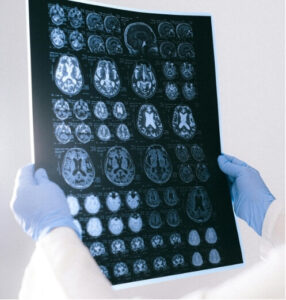
In clinical practice, persistent headaches are often driven by a combination of:
- Reduced neck movement or poor movement control
- Sensitised cervical joints or muscles
- Altered pain processing within the brain
- Migraine-related brain excitability
- Poor sleep quality
- Stress and inconsistent routines
- Reduced tolerance to exercise or activity
Importantly, these factors interact. A scan cannot show how your system behaves under load, stress, or movement — which is often when headaches are triggered.
When a normal scan can actually delay recovery
After imaging, people are often told:
- “There’s nothing wrong”
- “You just have to live with it”
- “It’s stress-related”
This can leave people feeling dismissed or unsure how to proceed. In some cases, it leads to inactivity, fear of movement, or over-reliance on medication — all of which can worsen headaches over time.
What a headache-focused physio assessment looks like
Instead of asking “What does the scan show?”, physiotherapists ask:
- How does your neck move and load?
- What triggers your headaches?
- How does your system respond to activity and exercise?
- How sensitive is your nervous system?
- How do sleep, stress, and routines influence symptoms?
This functional approach allows treatment to be targeted, progressive, and meaningful.
The key message
A normal scan is not a dead end — it’s reassurance that allows us to focus on function, recovery, and capacity building rather than fear.
If you’re struggling to get to the bottom of what’s causing your headaches, reach out to us on 1800 432 322 or book an appointment with one of our expert headache clinicians today!
Written by:

Disclaimer: This blog is for informational purposes only and is not a substitute for professional medical advice, diagnosis, or treatment. Always seek the advice of your healthcare provider with any questions you may have regarding a medical condition or treatment. Never disregard professional advice or delay seeking it based on information you have read here.